Sleep is something I have written about on SmartLivingBlog more than almost any other topic because it is the one area where small changes produce the most immediate, noticeable difference in daily life.
A reader once described her nights to me in a way that felt instantly familiar.
“I get into bed by 10:30. I close my eyes. But my brain just keeps running. I think about tomorrow’s meetings, yesterday’s conversation, and random things I said three years ago. By the time I actually fall asleep, it’s past 1 AM. And then my alarm goes off at 6.”
If that sounds familiar, you are genuinely not alone. Sleep problems have become one of the most widespread health concerns of modern life, and the number of people quietly struggling with poor rest is growing every year.
Sleep maxing is a wellness trend that has gained significant attention recently, particularly on social media platforms. At its core, it means intentionally optimizing your sleep environment, evening habits, and daily routine to support deeper, more consistent rest. Think of it as being deliberate about sleep the same way people are deliberate about diet or exercise.
This article explains what sleep maxing actually involves, what the science says about common sleep improvement strategies, which habits are genuinely supported by research, and where popular trends require more caution.
By the end, you will have a clear, honest picture of what sleep maxing can and cannot do and practical steps you can start using tonight.
Why Sleep Has Become Such a Widespread Problem
Most adults know they should be sleeping seven to nine hours per night. Most adults are not doing it.
According to the National Institutes of Health, people who regularly sleep fewer than seven hours per night face meaningfully higher risks of obesity, diabetes, cardiovascular disease, high blood pressure, anxiety, and depression. These are not minor inconveniences. Chronic sleep deprivation affects nearly every system in the body over time.
The picture globally is concerning. Research consistently shows that a significant proportion of adults experience some form of sleep difficulty. Studies from multiple countries indicate that large numbers of working adults regularly sleep fewer than the recommended seven hours per night. Similar patterns are visible across the United States, Europe, and Asia.
The reasons vary. Irregular schedules, long screen hours, high stress, late eating habits, and poorly designed sleep environments all contribute. Sleep maxing as a trend emerged partly because people began recognizing that sleep requires active attention, not just the absence of being awake.
What Is Sleep Maxing and How Did It Become a Trend?
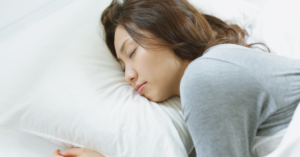
Sleep maxing is the practice of systematically improving the conditions, habits, and environment around sleep to support better quality rest.
The term gained traction on social media platforms after the COVID-19 pandemic, a period when many people became significantly more aware of their health and daily routines. Sleep, which had often been treated as whatever was left after everything else, started receiving dedicated attention. Content creators and health-conscious individuals began sharing sleep experiments, evening routines, and bedroom setups that worked for them.
The appeal is understandable. Sleep improvement does not require a prescription, a gym membership, or expensive equipment. Many of the most effective strategies, like consistent bedtimes, reduced light exposure in the evening, and temperature adjustments, are free and accessible to anyone.
Where sleep maxing gets complicated is when trends go beyond simple habit improvement into territory that is less evidence-supported or potentially counterproductive. Understanding that distinction matters.
What Does Sleep Maxing Actually Include?
Sleep maxing is not a single method. It is a broad category of practices that people combine based on personal preference and individual sleep challenges.
Consistent Sleep and Wake Times
This is the most consistently supported sleep improvement strategy in research. The body’s circadian rhythm, which is its internal 24-hour clock, functions best when sleep and wake times are stable across the week, including weekends. Irregular timing disrupts this rhythm and reduces both the ease of falling asleep and the quality of sleep itself.
Harvard Health Publishing notes that circadian rhythm consistency is one of the foundational elements of sleep hygiene and has more impact on overall sleep quality than many people realize.
Sleep Environment Optimization
The physical environment in which you sleep significantly affects rest quality. Three factors matter most: darkness, temperature, and sound.
Even small amounts of light exposure during sleep can suppress melatonin production, which is the hormone the brain uses to signal that it is time for deep rest. Blackout curtains or a sleep mask address this directly. A slightly cooler room temperature, typically between 16 and 19 degrees Celsius, supports deeper sleep for most adults. Reducing disruptive noise through earplugs or a white noise machine helps maintain uninterrupted sleep cycles.
Evening Routine and Screen Time
Blue light from screens suppresses melatonin in the same way that physical light does. Reducing screen use in the hour before bed is one of the most frequently recommended sleep hygiene practices.
Beyond screens, a consistent wind-down routine signals to the nervous system that sleep is approaching. This can be as simple as dimming lights, doing light stretching, reading a physical book, or practicing slow breathing for a few minutes. The specific activity matters less than the consistency of the signal.
Sleep Maxing Trends That Require More Caution
Not every sleep maxing trend that gains popularity on social media is equally supported by evidence. A few deserve honest examination.
The Sleepy Girl Mocktail
This drink, a mixture of tart cherry juice, magnesium powder, and sparkling water, went viral on TikTok in 2023. The reasoning behind it has some nutritional basis. Tart cherries contain small amounts of natural melatonin and antioxidants that may support sleep quality. Magnesium plays a role in nervous system regulation and may help reduce the physical tension that interferes with falling asleep.
However, the evidence is modest. Most studies on tart cherry juice and sleep show small improvements in sleep duration, not dramatic transformations. Magnesium in excess can cause digestive upset. This drink is unlikely to cause harm in moderate amounts for healthy adults, but treating it as a reliable sleep solution overstates what the evidence supports.
Mouth Taping
Mouth taping during sleep involves placing tape over the lips to encourage nasal breathing, with the aim of reducing snoring or improving sleep quality. Some people report benefit. However, for individuals with sleep apnea or nasal obstruction, this practice can be unsafe. It is not recommended without proper assessment from a healthcare professional.
Sleep Trackers
Wearable sleep trackers can provide useful general information about sleep patterns and duration. They can help identify broad trends over time. However, they cannot diagnose sleep disorders, and the accuracy of sleep stage data from consumer devices varies considerably. More importantly, some people become so focused on their tracker data that it increases rather than reduces sleep-related anxiety. Using a tracker as a rough guide rather than a precise measurement tool is a more balanced approach.
What Are the Realistic Benefits of Sleep Maxing Done Well?
When sleep maxing focuses on evidence-supported habits rather than viral trends, the potential benefits are real and meaningful.
Consistent quality sleep is associated with more stable daytime energy, improved concentration and memory consolidation, better mood regulation, stronger immune function, and more effective physical recovery. These are not minor quality-of-life improvements. They affect how every other part of daily health functions.
Sleep is also deeply connected to digestion and gut health. Research suggests that the gut microbiome follows circadian rhythms, and irregular or poor sleep can disrupt digestive function over time. Our guide on the 21-day gut health habit-building plan explores how sleep and digestion support each other in practical detail.
The key is that these benefits come from consistency over weeks and months, not from one optimized night. Sleep maxing is most effective as a long-term lifestyle adjustment rather than an acute fix.
Who May Benefit Most From Sleep Maxing?
People with busy, irregular schedules including shift workers, parents of young children, and professionals with variable hours benefit most from the circadian rhythm consistency strategies. Even small improvements in sleep timing regularity can meaningfully improve daytime function.
Anyone who regularly feels tired despite sleeping enough hours may benefit from environment optimization. Many people sleep adequate hours in conditions that prevent deep, restorative sleep. Addressing light, temperature, and sound often produces noticeable improvements in sleep quality without changing duration.
People dealing with high daily stress benefit from the evening wind-down routine component of sleep maxing. Chronic stress keeps the nervous system in an activated state that makes falling asleep difficult. Simple relaxation practices before bed help transition the body toward rest more effectively.
Health-conscious beginners who want to improve their overall wellness but are not sure where to start will find sleep an excellent foundation. Improving sleep tends to make other healthy habits, like better food choices, consistent exercise, and stress management, feel significantly easier. Our daily habits for better health guide explains how sleep fits within a broader wellness framework.
Common Sleep Maxing Mistakes to Avoid
Following every trend without individual assessment. Sleep needs and challenges vary considerably between people. A practice that helps one person may be irrelevant or counterproductive for another. Starting with the foundational habits, consistent timing and a dark, cool room, before experimenting with trending additions is the sensible approach.
Obsessing over sleep data. Tracking sleep can become counterproductive when it creates anxiety about every imperfect night. Sleep quality naturally varies day to day. One poor night does not indicate a problem. Treating tracker data as rough guidance rather than a performance metric avoids this trap.
Trying to fix sleep only at bedtime. Sleep quality is influenced by behaviors throughout the entire day, including morning light exposure, caffeine timing, physical activity, and meal timing. Focusing only on a bedtime routine while ignoring daytime habits limits results considerably.
Expecting immediate results. Circadian rhythm adjustments and sleep environment changes typically produce noticeable improvement over two to four weeks of consistent practice, not after two or three nights. Patience with the process matters.
Using sleep maxing to avoid addressing underlying issues. Persistent severe insomnia, suspected sleep apnea, or sleep problems significantly affecting daily function are situations where professional assessment is appropriate. Sleep maxing habits are supportive tools for general sleep improvement, not a substitute for professional evaluation when it is genuinely needed.
Practical Sleep Maxing Habits to Start This Week
These are free, low-effort starting points that have the strongest evidence base:
- Set a consistent bedtime and wake time, including weekends, and hold it for at least two weeks
- Keep your bedroom as dark as possible during sleep, even small light sources like phone chargers make a difference
- Lower your room temperature slightly before bed if possible
- Stop using screens at least 30 to 45 minutes before your target sleep time
- Spend five minutes doing slow, deliberate breathing before lying down
- Avoid caffeine after 2 PM, as caffeine has a half-life of approximately five to six hours in most adults
- Eat your last large meal at least two to three hours before bed to support digestion and reduce nighttime discomfort
For a broader view of how these habits fit into an overall wellness routine, our health and wellness routines guide walks through the complete picture.
Frequently Asked Questions About Sleep Maxing
What is sleep maxing? Sleep maxing is the practice of intentionally optimizing sleep habits, environment, and daily routines to improve sleep quality and duration. It includes strategies like consistent sleep timing, reducing light and screen exposure before bed, and adjusting bedroom temperature. It is a wellness approach, not a medical treatment.
Does sleep maxing actually work? The foundational habits within sleep maxing, particularly consistent sleep timing, darkness, cool temperature, and reduced evening screen use, are well-supported by sleep research. More extreme or trend-based elements vary in evidence quality. The evidence-backed basics do work when practiced consistently over several weeks.
What are the best sleep-maximizing habits for beginners? Consistent sleep and wake times, a dark and cool sleep environment, and reducing screen use 30 to 45 minutes before bed are the three most evidence-supported starting points. These require no equipment or cost and produce meaningful results for most people over two to four weeks.
Is the Sleepy Girl Mocktail effective for sleep? Tart cherry juice contains small amounts of natural melatonin and antioxidants that research suggests may modestly support sleep quality. Magnesium may help reduce physical tension before sleep. The drink is unlikely to be harmful in moderate amounts for healthy adults, but it is not a reliable solution on its own and overstates the evidence to call it a sleep fix.
Is mouth taping safe for sleep? Mouth taping is not recommended without professional guidance, particularly for anyone with sleep apnea, nasal congestion, or breathing difficulties. For otherwise healthy adults with mild snoring concerns, it may be low-risk, but it is not broadly recommended.
How long does it take for sleep maxing habits to show results? Most people notice meaningful improvements in sleep quality and daytime energy after two to four weeks of consistent habit practice. Circadian rhythm adjustments in particular take time to stabilize. One or two optimized nights will not show the full effect.
Can sleep trackers improve sleep quality? Sleep trackers can provide useful general information about sleep patterns and duration. They cannot diagnose sleep disorders. Using tracker data as rough guidance is helpful. Becoming overly focused on perfecting tracker scores can increase sleep anxiety and be counterproductive.
What time should I go to bed for the best sleep? The most important factor is consistency rather than a specific time. Choosing a bedtime that allows seven to nine hours before your required wake time, and holding that time consistently, is more beneficial than any particular clock time.
Does room temperature really affect sleep quality? Yes. Research consistently shows that a slightly cool room temperature, generally between 16 and 19 degrees Celsius, supports deeper sleep for most adults. Body temperature naturally decreases during sleep, and a cooler environment supports this process.
How does sleep affect other daily health habits? Poor sleep significantly undermines almost every other health habit. It increases cravings for high-sugar foods, reduces physical motivation, impairs concentration, and slows recovery from exercise. Improving sleep quality often makes other wellness habits noticeably easier to maintain.
Can sleep maxing help with stress and anxiety at night? Evening relaxation practices within sleep maxing, such as slow breathing, reduced stimulation, and consistent wind-down routines, may help reduce nighttime stress and the mental activation that delays sleep. These are supportive habits. Persistent anxiety that significantly disrupts sleep warrants professional support.
Is seven hours of sleep really enough? Research generally indicates that most adults function best with seven to nine hours. Some individuals do well with slightly less or more. The quality of sleep matters alongside duration. Consistently sleeping fewer than seven hours is associated with meaningful long-term health risks according to NIH research.
Conclusion
Sleep is not a passive event. It is an active biological process that the body needs to perform repair, consolidation, and regulation across nearly every system it runs.
Sleep maxing, at its best, is simply taking that reality seriously. It means creating conditions that support sleep rather than fighting against them every night. The foundational habits, consistent timing, a dark and cool environment, reduced evening stimulation, and a simple wind-down routine, are well-supported and genuinely accessible.
The trends worth skipping are the ones that promise dramatic results without proportional evidence behind them. Start with the basics. Practice them consistently. Give your body the conditions it needs to do what it already knows how to do.
Better sleep is one of the most impactful investments you can make in overall health, and the starting point costs nothing at all.
This article is for educational purposes only and does not provide medical advice. Please consult a qualified healthcare professional for personalized guidance.