Why do I feel full but never satisfied? If you have ever finished a meal feeling physically full yet still craving something, you are not alone. Many people experience this confusing feeling, where their stomach seems satisfied, but their body or mind still feels like something is missing.
A reader recently described it perfectly: “I eat three balanced meals every day. I drink enough water and sleep fairly well. But by the afternoon, I feel foggy, heavy, and strangely empty at the same time. I don’t understand why I never feel truly satisfied after eating.”
This experience is more common than most people realize. In many cases, it is not about eating too little or lacking willpower. Instead, it can be influenced by everyday eating habits, meal composition, blood sugar changes, eating speed, stress, and even how much attention you pay while eating.
Understanding the difference between physical fullness and true satisfaction can help explain why this happens. Small changes in how you build and eat your meals can often make a noticeable difference over time.
In this article, you’ll learn why you may feel full but never satisfied, what current research says about this common experience, and simple, practical habits that may help you feel more nourished and satisfied after every meal.
This article is for educational purposes only and does not provide medical advice. Please consult a qualified healthcare professional for personalized guidance.
The Common Pattern: Eating Plenty But Still Feeling Off
Modern eating habits have changed significantly. Meals are faster, more processed, and eaten with less attention than at any previous point in history. Many people eat while working, scrolling, or watching something on a screen.
The result is a body that receives calories but does not always register satisfaction. Research published in the American Journal of Clinical Nutrition found that eating while distracted consistently reduced meal satisfaction and increased the likelihood of eating more shortly afterward. The mechanism is straightforward: your brain needs sensory engagement with the meal, smell, taste, and texture and attention to process fullness signals accurately.
This is not about willpower. It is about how the human brain was designed to experience food.
Why Feeling Full and Feeling Satisfied Are Not the Same Thing
Fullness and satisfaction are two different signals from two different systems.
Fullness comes from physical stretch receptors in your stomach. When enough volume enters, those receptors send a signal upward: stop eating.
Satisfaction is more complex. It involves hormones like leptin and ghrelin, blood sugar stability, the nutritional density of what you ate, and the psychological experience of the meal itself. You can feel physically full from a large portion of low-nutrient food while feeling biochemically and psychologically unsatisfied at the same time.
Research suggests that meals high in refined carbohydrates and low in protein and fiber tend to produce this pattern most often. Blood sugar rises quickly, then drops, leaving you feeling foggy and craving more within an hour or two, even though your stomach is technically still full.
How Meal Composition Affects How You Feel Afterward
What you eat matters, but how the meal is structured matters almost as much.
Protein and satisfaction are closely connected. Research from the journal Nutrients found that higher-protein meals consistently improved feelings of fullness and reduced the urge to eat again within two to three hours. Protein slows gastric emptying and influences satiety hormones more effectively than carbohydrates or fats alone.
Fiber works similarly. Soluble fiber from foods like oats, lentils, apples, and vegetables forms a gel-like consistency in the digestive tract that slows digestion and supports more stable blood sugar. This gradual process tends to produce steadier, longer-lasting satisfaction compared to meals built primarily around refined grains or sugary foods.
If you’re looking to build healthier routines beyond a single meal, our guide on Daily Habits for Better Health explores simple lifestyle practices that support steady energy, digestion, and overall well-being.
Healthy fats also contribute. Fat slows the absorption of sugar from a meal and signals the release of a hormone called cholecystokinin, which communicates fullness to the brain. Meals that include some healthy fat from sources like nuts, seeds, olive oil, or avocado tend to feel more complete.
This does not mean you need to overhaul your entire diet. It means that small shifts in meal structure, adding a source of protein, including more fiber, and including some healthy fat, can meaningfully change how satisfied you feel after eating.
How Eating Speed and Attention Shape Post-Meal Comfort
Speed is one of the most underestimated factors in everyday eating.
The brain takes approximately 15 to 20 minutes to receive and process fullness signals from the stomach. If you finish a meal in 8 minutes, which is common for busy adults, your brain has not yet registered what you have eaten. You may reach for more food or feel oddly unsettled, not because you need more, but because your nervous system has not caught up.
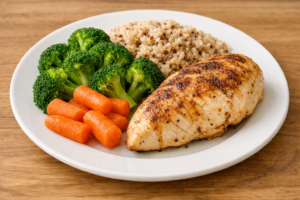
Eating slowly, chewing thoroughly, and paying some attention to the meal gives your body the time it needs to register what it has received. This does not require a formal mindful eating practice. It simply means putting the phone down for 15 minutes and eating without multitasking.
Studies consistently show that slower eating is associated with lower calorie intake, higher meal satisfaction, and reduced snacking shortly after meals. The change costs nothing and requires no special food.
Practical Strategies to Feel More Genuinely Nourished
These are lifestyle tools for generally healthy adults. If you have ongoing or worrying symptoms, please seek professional guidance.
Build meals around protein and fiber first. Before choosing what carbohydrate to include in a meal, identify a protein source and a fiber source. This simple mental shift tends to produce more balanced, satisfying meals without requiring calorie counting.
Eat without screens for at least one meal per day. Choose whichever meal is easiest, perhaps lunch or dinner, and eat it without a phone or screen. This one change improves meal satisfaction and reduces post-meal cravings for many people.
Slow down deliberately. Set a personal minimum of 15 minutes for every main meal. Put utensils down between bites. Take smaller portions to start, then assess whether you actually need more after 10 minutes.
Include a small healthy fat source at each meal. A handful of nuts, a small amount of olive oil, or half an avocado added to a meal can meaningfully extend how long you feel satisfied afterward.
Stabilize blood sugar with meal timing. Eating main meals at consistent times each day helps regulate hunger hormones and reduces the peaks and crashes that leave you feeling empty an hour after eating.
Move gently after meals. A 10- to 15-minute walk after lunch or dinner supports digestion and helps blood sugar stabilize after eating. This simple habit reduces the afternoon fog that many people notice after meals.
Benefits and Realistic Expectations
If you apply some of these habits consistently, you may notice:
Fewer episodes of feeling foggy or heavy after meals. More stable energy through the afternoon. Less urge to snack within an hour of eating. A more settled, comfortable feeling after main meals.
These are gradual improvements, not overnight transformations. The gut, brain, and hormonal systems involved in satisfaction and digestion adapt slowly. Expect to notice subtle changes over two to four weeks of consistent practice.
Individual results vary. Age, health status, stress levels, and existing habits all influence how quickly and clearly you notice a difference.
Who May Find This Especially Helpful
Desk workers and remote professionals who eat quickly between tasks and regularly feel foggy or unsatisfied by mid-afternoon.
Adults starting a wellness journey who want a simple, non-restrictive entry point to improving how food makes them feel without following complex diets.
Parents and caregivers who eat on the go, rarely sit for full meals, and feel perpetually low on energy despite eating regularly.
Anyone who feels healthy on paper but unsettled in practice, whose test results are fine but whose body feels off after most meals.
Common Mistakes to Avoid
Blaming specific foods immediately. Before eliminating food groups, examine eating speed, meal structure, and attention first. Often the issue is not what you are eating but how.
Expecting satisfaction from volume alone. A large plate of low-nutrient food will fill your stomach without satisfying your brain and hormonal systems. Quantity is not the same as quality of nourishment.
.Skipping meals to reset digestion. Skipping meals often worsens blood sugar stability and increases cravings later in the day. Regular, balanced meals tend to work better than restriction for most healthy adults. If bloating is one of the reasons meals leave you feeling uncomfortable, our guide on Reduce Bloating Naturally shares simple, everyday habits that may help improve digestion and post-meal comfort.
Relying on snacks to fix post-meal emptiness. If you consistently need to snack within 90 minutes of a full meal, the meal structure likely needs adjustment rather than the addition of more food.
Expecting fast results. Satiety and satisfaction patterns change gradually. Give any habit change at least three to four weeks before evaluating whether it is helping.
Frequently Asked Questions
Why do I feel full but not satisfied after eating?
Fullness and satisfaction are controlled by different signals. Physical fullness comes from stomach stretch receptors. Satisfaction depends on hormones, blood sugar stability, and meal composition. A meal high in refined carbohydrates and low in protein and fiber often produces physical fullness without genuine satisfaction.
Can eating too fast cause digestive discomfort?
Yes. Eating quickly means swallowing more air, chewing less thoroughly, and giving the brain less time to process fullness signals. This combination often leads to bloating, discomfort, and poor meal satisfaction.
Does protein really help you feel more satisfied after meals?
Research consistently supports this. Protein influences satiety hormones more effectively than carbohydrates or fats and slows gastric emptying, which produces longer-lasting fullness. Including a protein source in every main meal is one of the most evidence-supported strategies for improving post-meal satisfaction.
How does blood sugar affect how satisfied I feel after eating?
Meals high in refined carbohydrates cause rapid rises in blood sugar followed by sharp drops. These drops are often felt as fatigue, brain fog, and renewed hunger, even when the stomach is still technically full. More balanced meals with protein, fiber, and healthy fat produce gentler blood sugar curves and steadier energy.
Is mindful eating necessary or just trendy advice?
The evidence behind eating with attention is genuine. Multiple studies show that distracted eating reduces meal satisfaction and increases overall food intake. You do not need a formal practice. Simply eating without screens for one meal per day captures most of the benefit.
Can a short walk after meals really make a difference?
Yes, for most healthy adults. A gentle 10 to 15 minute walk after eating supports blood sugar stability and digestion. Research shows it can meaningfully reduce post-meal blood sugar spikes, which often contribute to afternoon energy crashes.
How do I know if my post-meal discomfort is a lifestyle issue or something medical?
Lifestyle factors like eating speed, meal composition, stress, and movement influence digestion for most healthy adults. However, if your symptoms are strong, frequent, or include pain, weight changes, or warning signs, a healthcare professional should evaluate you. Lifestyle adjustments are supportive tools, not substitutes for medical care.
Does drinking water with meals help or hurt digestion?
Moderate water intake with meals is fine for most people. Very large amounts of water immediately before or during a meal may dilute digestive enzymes for some individuals, but normal drinking does not cause this. Staying hydrated throughout the day is more important than timing water perfectly around meals.
Why do I feel sleepy after eating even healthy meals?
Post-meal sleepiness, often called a food coma, is partly normal due to blood flow changes after eating. Large portions, high carbohydrate content, and eating quickly tend to make it worse. Smaller, more balanced meals and a short walk afterward can reduce this effect noticeably.
Can stress affect how satisfied I feel after meals?
Yes. Stress activates the nervous system in ways that can reduce digestive efficiency and alter hunger and satiety hormone patterns. Many people notice they feel less satisfied after meals eaten under significant pressure, even when the food itself is unchanged.
Are supplements or gut health products necessary to feel better after meals?
For most healthy adults, basic lifestyle habits produce more reliable results than supplements. Meal structure, eating speed, movement, sleep, and stress management create the foundation. Supplements may add value in specific cases, but they rarely work well without these basics in place.
How long before I notice changes from adjusting my eating habits?
Most people notice subtle improvements within two to four weeks of consistent practice. Satiety hormones, gut motility, and blood sugar patterns adapt gradually. Short trials of three days are not long enough to evaluate whether a habit is helping.
Building a More Nourishing Relationship With Food
Feeling unsatisfied after meals is not a personal failure, and it is not inevitable. It is usually the result of a few specific patterns that, once understood, can be adjusted gradually and sustainably.
Start with one change. Eat one meal per day without your phone. Add a protein source to your breakfast. Take a 10-minute walk after dinner. These are not dramatic interventions. They are the kind of quiet, consistent choices that shift how your body feels over weeks and months.
You do not need a complicated protocol. You need a little more attention, a slightly better meal structure, and enough patience to let the changes settle in.
This article is for educational purposes only and does not provide medical advice. Please consult a qualified healthcare professional for personalized guidance.