A friend of mine spent the better part of a year feeling inexplicably tired. She was sleeping reasonably well, eating what she thought was a balanced diet, and had no major health issues. Yet she felt drained by mid-morning, struggled to concentrate, and got dizzy when she stood up too quickly.
Her doctor ran a routine blood test and found what many people discover every year: her hemoglobin levels were low.
If you have ever felt persistently tired, short of breath during ordinary activity, or noticed that you get headaches more often than seems normal, low hemoglobin may be worth looking into. The desire to increase hemoglobin naturally is one of the most common wellness questions people ask, and for good reason.
According to research published in The Lancet Haematology, anemia affected nearly 2 billion people worldwide in 2021, with women significantly more affected than men. Most of these cases are linked to dietary patterns and daily lifestyle habits rather than serious underlying disease.
This article covers what hemoglobin actually is, why levels drop, and 10 practical, food-based and lifestyle-based ways to support healthy levels naturally. These are not dramatic interventions. They are small, consistent habits that add up meaningfully over time.
This article is for educational purposes only and does not provide medical advice. Please consult a qualified healthcare professional for personalized guidance.
The Everyday Habits That Quietly Lower Hemoglobin
Most people with low hemoglobin do not have a dramatic illness causing it. They have a collection of ordinary daily patterns that, over time, deprive the body of what it needs to produce enough healthy red blood cells.
Skipping meals or eating irregularly reduces the consistent supply of nutrients the body needs for hemoglobin production. Drinking tea or coffee immediately after meals, which many people do without a second thought, can reduce how much iron the body actually absorbs from food. Diets that rely heavily on processed foods tend to be low in folate, vitamin B12, and iron, all of which are essential for red blood cell production.
According to the World Health Organization, dietary iron deficiency is the most common cause of anemia globally. This means that for a large portion of people with low hemoglobin, the solution begins at the level of daily food choices and absorption habits.
Why Hemoglobin Levels Matter More Than Most People Realize
Hemoglobin is the protein inside red blood cells that carries oxygen from your lungs to every tissue in your body. When hemoglobin levels drop, your body receives less oxygen than it needs to function efficiently.
The effects are not always obvious at first. They tend to build gradually.
Energy levels fall. Cells throughout the body, including those in muscles and the brain, need oxygen to produce energy. When oxygen delivery drops, fatigue becomes the default state rather than the exception.
Concentration suffers. The brain is one of the most oxygen-hungry organs in the body. Low hemoglobin often shows up first as difficulty focusing, mental sluggishness, and a general sense of cognitive cloudiness.
Physical endurance drops. Tasks that used to feel easy start requiring more effort. Climbing stairs, carrying groceries, or exercising become noticeably harder than they should.
Mood and motivation decline. Chronic low-level fatigue has a quiet but real effect on emotional resilience and motivation over time.
These effects are reversible for most people through consistent daily habits. That is the encouraging part.
How Can You Increase Hemoglobin Naturally Through Food?
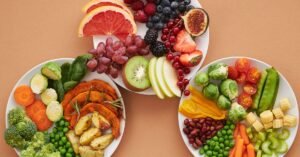
1. Eat Iron-Rich Foods Consistently
Iron is the primary raw material the body uses to produce hemoglobin. Without adequate dietary iron, the body simply cannot make enough.
Good food sources of iron include:
- Lean red meat and poultry
- Seafood, particularly shellfish and sardines
- Legumes such as lentils, chickpeas, and kidney beans
- Dark leafy greens such as spinach and kale
- Tofu and tempeh
- Pumpkin seeds and sesame seeds
- Fortified breakfast cereals
Why it works: Iron is a structural component of the hemoglobin molecule itself. Adequate dietary iron provides the building blocks the body needs to produce sufficient red blood cells.
2. Always Pair Iron-Rich Foods with Vitamin C
This pairing is one of the most practical and underused nutritional strategies for supporting hemoglobin naturally.
There are two types of dietary iron: heme iron from animal sources, which is absorbed relatively efficiently, and non-heme iron from plant sources, which is absorbed much less efficiently on its own. Vitamin C significantly improves the absorption of non-heme iron by converting it into a form the body can take up more easily.
Foods rich in vitamin C to pair with iron-rich meals:
- Citrus fruits such as oranges and grapefruit
- Bell peppers
- Tomatoes
- Strawberries
- Broccoli
- Papaya
A simple habit is squeezing lemon juice over leafy greens or eating fruit alongside a meal that contains plant-based iron sources.
Why it works: Vitamin C converts ferric iron (non-heme) into ferrous iron, which is the form the intestine absorbs. Without this conversion, a significant portion of dietary iron passes through without being absorbed.
3. Include Folate-Rich Foods Regularly
Folate, also known as vitamin B9, is essential for the production and maturation of red blood cells. Without adequate folate, the body produces red blood cells that are abnormally large and function poorly.
Good folate sources include:
- Dark leafy greens, particularly spinach and romaine lettuce
- Asparagus and Brussels sprouts
- Avocado
- Legumes and beans
- Beets
- Fortified grain products
Why it works: Folate is required for DNA synthesis during red blood cell production. Inadequate folate disrupts this process, reducing the number of functional red blood cells the body can produce.
4. Do Not Overlook Vitamin B12
Vitamin B12 works closely with folate in red blood cell production. A deficiency in either produces similar effects: large, poorly functioning red blood cells and reduced hemoglobin levels.
Vitamin B12 is found almost exclusively in animal products, which makes it a particular concern for people following vegetarian or vegan diets.
Sources of vitamin B12:
- Meat, poultry, and fish
- Eggs and dairy products
- Fortified plant-based milks and nutritional yeast for those avoiding animal products
Why it works: Vitamin B12 is required for the conversion of folate into its active form and for the proper maturation of red blood cells. Without it, red blood cell production is impaired regardless of how much iron is consumed.
5. Increase Hemoglobin Naturally by Managing Absorption Blockers
Eating the right foods is only half the equation. How much of those nutrients your body actually absorbs is equally important.
Several common dietary habits reduce iron absorption:
- Drinking tea or coffee immediately before or after meals. These beverages contain compounds called tannins and polyphenols that bind to iron and prevent absorption. Keeping a gap of at least one hour before or after iron-rich meals can make a meaningful difference.
- Calcium-rich foods and iron-rich foods eaten together in large amounts. Calcium competes with iron for absorption. This does not mean avoiding calcium, but spacing them through the day rather than always combining them.
- Very high-fiber meals. While fiber is important for overall health, extremely high-fiber meals can reduce iron absorption to some degree.
Why it matters: You can eat an iron-rich diet and still have poor iron status if consistent absorption blockers are reducing how much actually enters your system.
6. Include Beetroot and Other Folate-Rich Vegetables
Beetroot deserves a specific mention because it contains both iron and folate, along with nitrates that support blood circulation. It is not a dramatic solution on its own, but it is a genuinely useful addition to a diet aimed at supporting hemoglobin.
Beetroot can be consumed as a juice, roasted, or added to salads. Pairing it with a squeeze of lemon enhances iron absorption.
Other useful vegetables in this category include asparagus, dark leafy greens, and broccoli, which provide folate alongside other nutrients that support red blood cell health.
Why it works: Beetroot provides a combination of iron, folate, and vitamin C in one food, making it a practical multi-nutrient option for blood health support.
7. Add Legumes to Your Meals Several Times a Week
Legumes are among the most accessible and affordable sources of plant-based iron and folate available. Lentils, chickpeas, black beans, kidney beans, and soybeans all provide meaningful amounts of both nutrients.
For people following plant-based diets, legumes are particularly important because they provide non-heme iron that, when paired with vitamin C, becomes a consistent contribution to daily iron intake.
A practical approach: include a portion of legumes in at least three to four meals per week, and always pair them with a vitamin C source.
Why it works: Legumes provide both iron and folate simultaneously, making them an efficient double contribution to hemoglobin-supporting nutrition.
8. Stay Well Hydrated Throughout the Day
Hydration affects blood volume and the efficiency of nutrient transport throughout the body. When the body is mildly dehydrated, blood becomes more viscous, circulation slows, and the delivery of oxygen and nutrients to tissues becomes less efficient.
This does not mean dehydration directly lowers hemoglobin, but it does affect how well the blood functions and how efficiently nutrients from food reach the cells that need them.
Aiming for consistent hydration throughout the day, rather than drinking large amounts at once, supports steady blood flow and nutrient transport.
Why it works: Adequate hydration supports optimal blood volume and circulation, which helps the hemoglobin you do have function as efficiently as possible.
9. Include Gentle, Regular Exercise
Regular moderate exercise stimulates the body to produce more red blood cells in response to the increased oxygen demand placed on the system. This is the same basic mechanism behind altitude training used by endurance athletes, applied at a much gentler everyday scale.
Gentle to moderate exercise options that support this process:
- Daily walking, particularly after meals
- Swimming or cycling
- Light resistance training
- Yoga or stretching routines
Intense exercise when already significantly fatigued or anemic can worsen symptoms rather than help. Start gently and increase gradually based on how the body responds.
Why it works: Exercise creates a mild, controlled increase in the body’s oxygen demand. In response, the body signals for greater red blood cell production, which over time supports better hemoglobin levels.
10. Prioritize Consistent Sleep and Stress Management
This is the habit most often overlooked in conversations about hemoglobin and blood health.
Chronic stress elevates cortisol levels, which over time suppresses the production of erythropoietin, the hormone that signals the bone marrow to produce red blood cells. Poor sleep compounds this by reducing the body’s ability to repair and regenerate effectively overnight.
Practical habits that support this:
- Maintaining a consistent sleep and wake schedule
- Keeping evenings calmer and lower in stimulation
- Building short recovery periods into busy days
- Reducing caffeine in the afternoon and evening
You can read more about building better sleep and recovery habits in our Signs Your Body Needs a Break guide.
Why it works: Erythropoietin production depends on a well-regulated hormonal environment. Chronic stress and poor sleep disrupt this regulation, quietly reducing the body’s capacity to maintain adequate red blood cell production over time.
Realistic Expectations: What Natural Approaches Can and Cannot Do
For people with mild to moderate hemoglobin insufficiency linked to dietary patterns, consistent food and lifestyle changes can produce meaningful improvement, typically within four to eight weeks of sustained effort.
What these habits can support: improved iron and folate intake, better nutrient absorption, steadier energy levels, and gradual improvement in hemoglobin-related symptoms over time.
What they cannot replace: medical treatment for severe anemia, supplementation prescribed by a healthcare professional, or treatment for underlying conditions that may be causing blood loss or nutrient malabsorption.
According to the World Health Organization’s guidance on anemia, dietary approaches are an important first line of support for nutritional anemia, but persistent or severe cases require professional assessment and often clinical intervention.
Who Will Benefit Most From These Habits?
Women of reproductive age who experience regular blood loss through menstruation and are statistically among the most affected by low hemoglobin worldwide.
People following plant-based diets who rely on non-heme iron sources and may not be consistently pairing them with vitamin C or managing absorption blockers.
Busy adults with irregular eating patterns who skip meals, rely on convenience foods, or consume large amounts of tea and coffee close to mealtimes.
Older adults whose digestive efficiency and nutrient absorption naturally decline with age, making consistent dietary attention more important.
For a broader foundation of daily wellness habits that support energy and overall health, you can also explore our Health and Wellness Routines guide.
Common Mistakes That Undermine Progress
Drinking tea or coffee immediately after meals. This single habit can significantly reduce how much iron your body absorbs from an otherwise good meal. Even a one-hour gap makes a meaningful difference.
Eating iron-rich foods without vitamin C. Particularly for people relying on plant-based iron sources, skipping vitamin C essentially reduces the effectiveness of your iron intake by a significant margin.
Taking iron supplements without testing first. Many people self-supplement based on symptoms without knowing their actual levels. Excess iron supplementation can cause its own health problems. Testing before supplementing is always the right approach.
Expecting rapid results. Hemoglobin levels reflect weeks of dietary and lifestyle patterns, not days. Most people need four to eight weeks of consistent habits before noticing clear improvement.
Focusing only on iron and ignoring folate and B12. Low hemoglobin from folate or B12 deficiency will not improve by increasing iron intake. All three nutrients play distinct roles in red blood cell production.
Frequently Asked Questions
What is hemoglobin and why does it matter? Hemoglobin is the protein in red blood cells responsible for carrying oxygen from your lungs to the rest of your body. When levels are low, the body receives less oxygen than it needs, leading to fatigue, weakness, poor concentration, and shortness of breath during ordinary activity.
What are the most common causes of low hemoglobin? The most common causes are dietary iron deficiency, inadequate folate or vitamin B12 intake, poor nutrient absorption, and regular blood loss. Chronic stress, irregular eating patterns, and consistent consumption of absorption-blocking beverages like tea and coffee close to meals also contribute.
How long does it take to increase hemoglobin naturally? With consistent dietary and lifestyle changes, many people notice gradual improvement within four to eight weeks. The timeframe depends on how significant the deficiency is and how consistently the habits are practiced. A follow-up blood test is the most reliable way to track actual progress.
Which foods increase hemoglobin most effectively? No single food dramatically raises hemoglobin on its own. The most effective approach combines iron-rich foods (lean meat, legumes, leafy greens) with vitamin C at every meal, alongside adequate folate and B12 sources, while reducing absorption blockers like tea and coffee near mealtimes.
Does vitamin C really improve iron absorption? Yes, significantly. Vitamin C converts non-heme iron into a form the intestine can absorb much more efficiently. This is particularly important for people relying on plant-based iron sources, where the improvement in absorption with vitamin C can be substantial.
Can tea and coffee really affect hemoglobin levels? Yes. Tea and coffee contain compounds that bind to iron in the digestive tract and reduce absorption. This does not mean you need to stop drinking them, but keeping a gap of at least one hour after iron-rich meals significantly reduces this effect.
Is low hemoglobin more common in women? Yes. Research shows that women, particularly those of reproductive age, are significantly more affected by low hemoglobin than men globally. Regular menstrual blood loss, along with dietary patterns, are the primary contributing factors.
Can exercise help increase hemoglobin levels? Regular moderate exercise can support red blood cell production by stimulating erythropoietin, the hormone that signals the bone marrow to produce more red blood cells. Gentle, consistent movement is more beneficial than intense exercise, especially when already fatigued.
Are iron supplements always necessary for low hemoglobin? Not always. For mild to moderate dietary deficiency, food-based changes and improved absorption habits can be sufficient. Supplements are most useful when deficiency is confirmed through testing and when dietary changes alone are not producing adequate improvement. Always consult a healthcare professional before starting iron supplementation.
How do I know if my hemoglobin is low? A simple blood test called a complete blood count measures hemoglobin levels directly. Common symptoms of low hemoglobin include persistent fatigue, dizziness, headaches, shortness of breath during light activity, pale skin, and difficulty concentrating. These symptoms overlap with many other conditions, so testing is the most reliable way to confirm.
When should I see a doctor rather than trying lifestyle changes? If your symptoms are severe, have been present for a long time, are worsening despite dietary improvements, or are accompanied by significant blood loss, visible pallor, or chest discomfort, please consult a healthcare professional promptly. Severe anemia requires professional assessment and often clinical treatment.
Does stress affect hemoglobin levels? Chronic stress can suppress erythropoietin production, which reduces the body’s signal to produce new red blood cells. While this is not the most common cause of low hemoglobin, managing stress and improving sleep quality supports the overall hormonal environment that healthy red blood cell production depends on.
Conclusion
Low hemoglobin is genuinely common, and for most people it does not require a complicated solution. It responds to consistent, practical daily habits: eating iron and folate-rich foods regularly, pairing them with vitamin C, managing the habits that block absorption, moving gently, staying hydrated, and giving the body adequate rest.
None of these changes are dramatic. But practiced consistently over weeks, they add up to a meaningful difference in how your body functions and how you feel day to day.
Start with one change at your next meal. Pair your greens with lemon. Move your afternoon tea an hour later. These are small decisions, but they are the kind that quietly build better health over time.
This article is for educational purposes only and does not provide medical advice. Please consult a qualified healthcare professional for personalized guidance on hemoglobin testing, supplementation, or any health concern.