A few months ago, a reader sent me a message I have heard in different forms many times.
“I eat three meals a day. I am not skipping food. But I feel tired by noon, my skin looks dull, and I keep catching every cold that goes around the office. My doctor says my reports are mostly fine. So what am I doing wrong?”
The answer, in most cases, is not what she is eating. It is what she is consistently missing.
Vitamins and their role in body functions are easy to overlook because vitamins work quietly. They do not give you energy the way carbohydrates do. They do not build muscle the way protein does. But without them, almost nothing in your body works as efficiently as it should.
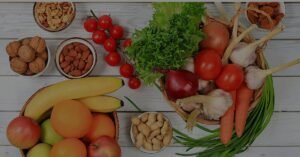
This guide breaks down the key vitamins your body needs every day, explains what each one actually does in plain language, and shows you how to get them through simple, realistic food choices. No supplements required. No complicated meal plans. Just clear, practical awareness that fits into real daily life.
By the end, you will understand exactly why vitamins matter, which ones most people commonly fall short on, and what small daily habits can make a meaningful difference over time.
Why Do Most People Fall Short on Vitamins Despite Eating Regularly?
This is the question most people do not think to ask. They assume that eating three meals a day covers nutritional needs. In practice, it often does not.
The issue is not how much people eat. It is the variety, or lack of it.
According to the World Health Organization, micronutrient deficiencies including vitamin shortfalls remain widespread globally even in populations that consume enough calories. The main reason is dietary monotony. When daily meals rely heavily on refined grains, processed snacks, and a limited selection of vegetables, the diet may be sufficient in calories while remaining low in several key vitamins.
Common patterns that reduce vitamin intake in everyday life include:
- Relying on the same two or three vegetables every week
- Eating fruit occasionally rather than daily
- Over-boiling or over-cooking vegetables, which destroys water-soluble vitamins
- Skipping breakfast or replacing meals with processed convenience foods
- Spending most of the day indoors without any sunlight exposure
None of these habits feel dramatic. That is exactly why the nutritional gap builds up quietly over months without obvious warning signs.
How Do Vitamins and Their Role in Body Functions Actually Work?
Vitamins and their role in body processes is best understood through one simple idea: vitamins are biological enablers.
They do not perform the main functions themselves. Instead, they make it possible for other processes to happen efficiently.
Here are a few examples that make this concrete:
- Without B vitamins, your body cannot properly convert carbohydrates into usable energy. You may eat enough food but still feel low on fuel.
- Without Vitamin C, your body struggles to absorb iron from plant sources like spinach and lentils. This is particularly relevant for vegetarians.
- Without Vitamin D, calcium cannot be absorbed effectively. You may consume enough dairy but still not be supporting bone strength as well as you think.
- Without Vitamin A, the cells lining your respiratory tract cannot maintain their protective barrier function as effectively.
This interconnected nature is what makes consistent vitamin intake from varied foods more valuable than relying on a single supplement.
What Is Vitamin A and Why Does Your Body Need It Daily?
Vitamin A supports several functions that most people associate with general health but rarely connect to a specific nutrient.
It plays a role in maintaining the health of the cells that line your eyes, skin, and respiratory tract. It also supports immune function by helping maintain the integrity of these cellular barriers.
Harvard Health Publishing notes that Vitamin A from food sources is generally safe and well-tolerated, while excessive supplementation can cause problems. This is a useful reminder that food-based sources are almost always the safer and more sustainable approach.
Practical Food Sources of Vitamin A
| Food Source | How to Include Daily |
|---|---|
| Carrots | Add to salads or vegetable curry |
| Sweet Potatoes | Boil or roast as a side dish |
| Spinach | Add to Curry or dal |
| Pumpkin | Cook as a vegetable side |
| Eggs | Include in Breakfast |
Orange and yellow vegetables are among the richest sources. Carrots, sweet potatoes, and pumpkin are easy to include in everyday Indian cooking. Dark green leafy vegetables like spinach and methi also provide good amounts.
A practical starting point is to aim for at least one orange or dark green vegetable in at least one meal per day.
Everyday Benefits of Vitamin A
- Supports vision, especially in low light conditions
- Helps maintain healthy skin and cell lining
- Supports immune balance and respiratory health
Who Tends to Fall Short on Vitamin A?
People whose diets rely heavily on white rice, chapati, and dal without much vegetable variety are most likely to have low Vitamin A intake. Students eating mostly hostel or canteen food and office workers who skip vegetables at lunch are common profiles.
How Does Vitamin B Support Energy, Focus, and Daily Mental Clarity?
The B vitamin group is one of the most practically important sets of nutrients for anyone who regularly experiences afternoon fatigue, poor concentration, or low mood.
B vitamins, particularly B1, B2, B3, B6, and B12, are essential co-factors in the metabolic processes that convert the food you eat into cellular energy. Without adequate B vitamins, this conversion becomes less efficient, and the result is often persistent low energy despite eating enough.
B12 deserves specific attention because it is found almost exclusively in animal products. Vegetarians and especially vegans are at higher risk of low B12 intake over time. According to the National Institutes of Health, B12 deficiency can develop slowly and may affect energy levels, nerve function, and cognitive clarity before it becomes detectable in standard blood tests.
Practical Food Sources of Vitamin B
| Food Source | Easy Daily Idea |
|---|---|
| Bananas | Mid-morning snack |
| Eggs | Breakfast omelet |
| Whole wheat roti | Regular daily meal |
| Brown rice | Replace white rice gradually |
| Peanuts | Evening snack |
| Legumes and dal | Daily meal staple |
| Dairy products | Milk, curd, paneer |
Everyday Benefits of Vitamin B
- Supports steady, consistent energy throughout the day
- Helps mental clarity and focus during demanding work
- Supports red blood cell formation and nerve function
Who Should Focus on Vitamin B?
Busy professionals, students, and anyone relying heavily on refined white rice and processed bread are most likely to benefit from improving B vitamin intake. Vegetarians should pay particular attention to B12.
What Role Does Vitamin C Play Beyond Immunity?
Vitamin C is probably the most well-known vitamin, but its role extends beyond immune support.
It is a powerful antioxidant, meaning it helps protect cells from the oxidative stress that accumulates through normal daily activity and environmental exposure. It also plays a direct role in collagen synthesis, which affects skin elasticity, wound healing, and the health of connective tissue throughout the body.
Perhaps most practically relevant for Indian diets is Vitamin C’s role in enhancing iron absorption. Plant-based iron from dal, spinach, and other legumes is less readily absorbed than iron from animal sources. Consuming Vitamin C alongside these foods, such as adding lemon juice to dal or eating a guava after a meal, meaningfully improves iron absorption.
Vitamin C is water-soluble and heat-sensitive. Long cooking times and boiling reduce its content significantly. Eating fruits raw and lightly steaming rather than boiling vegetables helps preserve it.
Practical Food Sources of Vitamin C
| Food Source | Best Way to Eat |
|---|---|
| Amla | Fresh juice or chutney |
| Guava | Eat as Raw fruit |
| Oranges | Eat Fresh |
| Lemon | Squeeze over dal or salad |
| Capsicum | Raw or lightly cooked |
| Broccoli | Lightly steamed only |
Everyday Benefits of Vitamin C
- Supports immune health and cell protection
- Aids iron absorption from plant-based foods
- Supports healthy skin and collagen production
Who Benefits Most From Vitamin C?
People in polluted cities, outdoor workers, active individuals, and vegetarians who rely on plant-based iron sources benefit most from consistent Vitamin C intake.
How Does Vitamin D Support Bone Health and Daily Energy?
Vitamin D is unusual among vitamins because the primary source for most people is not food but sunlight exposure. When ultraviolet B rays from sunlight reach the skin, the body synthesizes Vitamin D naturally.
The practical problem is that modern indoor lifestyles reduce this exposure considerably. Office workers who commute by vehicle, work inside all day, and return home in the evening may get very little meaningful sunlight even in a sunny country like India.
According to Harvard Health Publishing, Vitamin D supports calcium absorption, bone density, muscle function, and immune regulation. Research also suggests a possible association between low Vitamin D levels and persistent fatigue, though this relationship is still being studied.
Ten to fifteen minutes of morning sunlight exposure on the arms and legs, before sunscreen application, is a practical starting point for most people. The morning sun between roughly 7 and 9 AM in India provides useful UVB exposure without excessive heat.
Practical Sources of Vitamin D
| Source | Practical Tip |
|---|---|
| Morning sunlight | 10-15 minutes daily, 7-9 AM |
| Eggs | Include in breakfast daily |
| Fortified milk | Check the label before buying |
| Fatty fish | Include once or twice a week |
| Fortified cereals | Check label for Vitamin D content |
Everyday Benefits of Vitamin D
- Supports calcium absorption and bone strength
- Supports muscle function and reduces fatigue
- Helps maintain immune regulation
Who Is Most at Risk of Low Vitamin D?
Office workers with minimal outdoor time, elderly individuals who go outdoors less frequently, and people with darker skin tones, who require more sunlight exposure to produce the same amount of Vitamin D, are most commonly affected.
Why Is Vitamin E Important for Cell Health and Skin Balance?
Vitamin E functions primarily as a fat-soluble antioxidant. It helps protect cell membranes from oxidative damage, particularly in tissues with high fat content like the brain and skin.
It works most effectively as part of a broader nutritional pattern rather than in isolation. Research suggests that Vitamin E from food sources is more beneficial than supplemental Vitamin E, and very high supplemental doses may actually be counterproductive.
Practical Food Sources of Vitamin E
| Food Source | How to Add to Daily Routine |
|---|---|
| Almonds | Eat a samll handful daily |
| Sunflower seeds | Sprinkle over salads |
| Peanuts | Evening snack |
| Wheat germ | Mix into roti flour |
| Vegetable oils | Use in moderate amounts for cooking |
Everyday Benefits of Vitamin E
- Supports cell health and protection from daily oxidative stress
- Supports skin balance and texture
- Works alongside other antioxidants in the body
The most common mistake is roasting nuts at very high heat, which degrades their Vitamin E content. Eating nuts raw or lightly roasted at lower temperatures preserves more nutritional value.
Can Diet Alone Meet Your Daily Vitamin Needs?
For most healthy adults, yes.
A varied diet with fruits, vegetables, whole grains, protein sources, and dairy or alternatives is usually enough to cover the majority of daily vitamin needs.
The key word is varied. A diet with the same five or six foods every day, however nutritious those foods are individually, will consistently miss some vitamins.
Supplements should only be considered after consulting a qualified healthcare professional. Specific situations, such as pregnancy, diagnosed deficiencies, or very restricted diets, may genuinely require supplementation. But for most healthy adults, food-based variety is the most reliable and sustainable approach.
What Are the Realistic Benefits of Consistent Vitamin Intake Through Food?
When daily food habits consistently provide a variety of vitamins over weeks and months, some people gradually notice improvements such as:
- More stable energy through the day with less mid-afternoon fatigue
- Improved skin texture and reduced dryness
- Stronger immune response with fewer minor illnesses
- Better focus and mental clarity during demanding work periods
- Improved recovery after physical activity
These changes are gradual and vary between individuals. They also depend on the overall diet pattern, not any single food or nutrient. Acknowledging this honestly is important. Consistent food variety supports vitamin intake. It does not guarantee specific outcomes, and it is not a replacement for medical care when symptoms are persistent or concerning.
Who May Benefit Most From Improving Daily Vitamin Intake?
Busy professionals eating similar meals every day who rely on a limited set of foods and rarely introduce new vegetables or fruits into their routine.
Vegetarians and vegans who need to be particularly attentive to B12, Vitamin D, and iron absorption through Vitamin C pairing, as plant-based diets require more intentional planning to cover these areas.
Students and young adults in hostel or shared living situations where meal variety is limited and fresh produce consumption is low.
Anyone who spends most of the day indoors and gets minimal sunlight exposure, making Vitamin D a consistent area of attention regardless of dietary habits.
You can also build related daily wellness habits through our guide on Daily Habits for Better Health, Energy, and Longevity.
Common Mistakes That Reduce Vitamin Intake Without People Realizing
Overcooking vegetables in large amounts of water. Boiling vegetables for extended periods leaches water-soluble vitamins, particularly Vitamin C and B vitamins, into the cooking water. Lightly steaming or stir-frying preserves more nutritional value.
Eating the same fruits and vegetables every week. Variety is how different vitamins get covered. Rotating between different colored produce throughout the week is a simple, effective strategy.
Assuming a multivitamin covers everything. Supplements can help in specific situations but do not replicate the full nutritional profile of whole foods. They also lack fiber, phytonutrients, and other compounds that work alongside vitamins in whole food sources.
Ignoring sunlight as a nutritional tool. Even in a sun-rich country like India, indoor lifestyles mean many people have insufficient Vitamin D synthesis. A few minutes of morning sun regularly is a free and effective habit.
Relying on processed fortified foods as the primary vitamin source. Fortified breakfast cereals and packaged drinks contain added vitamins, but they also often contain added sugar, salt, and refined ingredients that offset the benefit.
Frequently Asked Questions About Vitamins and Their Role in Body
What are vitamins and their role in body functions? Vitamins are essential micronutrients that support nearly every biological process in the body, including energy metabolism, immune function, bone health, skin repair, and nerve function. They do not provide energy directly but enable the body to use energy from food efficiently.
Can most people get enough vitamins through food alone? For most healthy adults eating a varied diet with regular fruits, vegetables, whole grains, and protein sources, food can cover the majority of vitamin needs. Specific situations such as pregnancy, certain medical conditions, or very restricted diets may require professional assessment.
Which vitamins are most commonly low in everyday diets? Vitamin D, Vitamin B12 in vegetarians, and Vitamin C when fresh produce consumption is low are among the most commonly insufficient. Iron absorption, supported by vitamin C, is also a frequent concern.
How much sunlight is needed for adequate vitamin D? For most people in India, 10 to 15 minutes of direct sunlight exposure on the arms and legs during morning hours provides useful Vitamin D synthesis. This varies based on skin tone, location, and season.
Does cooking destroy vitamins? Some vitamins are heat-sensitive and water-soluble. Vitamin C and several B vitamins are reduced by long boiling times. Steaming, light stir-frying, and eating some vegetables raw helps retain more nutritional value.
Are fruits better eaten raw or cooked for vitamins? For Vitamin C specifically, raw is better, as heat degrades it. Most fruits are best eaten fresh and raw. Some vegetables provide different nutrients when lightly cooked compared to raw.
Is Vitamin B12 only available from meat? B12 is found primarily in animal products, including eggs, dairy, and meat. Vegetarians can get some from dairy and eggs. Vegans generally need fortified foods or professional guidance regarding supplementation.
Can too many vitamins from food be harmful? Fat-soluble vitamins, particularly A and D, can accumulate in the body if taken in very high amounts through supplements over time. From food sources alone, toxicity is extremely rare. This is one reason food-based intake is generally preferred over high-dose supplementation.
How do I know if I am low on a specific vitamin? The only reliable way to assess vitamin status is through a blood test interpreted by a qualified healthcare professional. General fatigue, skin changes, or frequent illness can have many causes and should not be self-diagnosed as specific deficiencies.
What is the easiest daily habit to improve vitamin intake? Adding one additional fruit or one extra vegetable to your daily routine is the simplest starting point. Over time, rotating between different colored produce covers a wider range of vitamins naturally.
Do multivitamin supplements replace a balanced diet? No. Supplements can support intake in specific situations but do not replicate the full nutritional complexity of whole foods. A varied diet remains the foundation of consistent vitamin intake.
Is morning sunlight enough for vitamin D during cloudy or winter months? In India, even during monsoon and winter, some sunlight exposure is generally available. Cloud cover reduces UVB intensity but does not eliminate it entirely. Dietary sources become more important during extended periods of low sunlight access.
Conclusion
Vitamins and their role in body health is not a complicated subject once you strip away the confusion. Your body needs small amounts of many different vitamins consistently, not large doses of a few occasionally.
The most reliable way to support this is through variety in your daily food choices. Different colored vegetables, seasonal fruits, whole grains, and a mix of protein sources naturally cover most vitamin needs without requiring supplements or strict meal planning.
Start with what feels manageable. Add one extra fruit. Include one more vegetable. Spend a few minutes in morning sunlight. Rotate your nuts and seeds. These small habits, practiced consistently over time, are genuinely enough to support better energy, stronger immunity, and long-term daily wellness.
This article is for educational purposes only and does not provide medical advice. Please consult a qualified healthcare professional for personalized guidance.