Electricity bills were something I barely thought about until I started paying closer attention to where the money was actually going. Writing about smart living for SmartLivingBlog pushed me to understand the real causes, and what I found was both surprising and completely fixable.
A couple I heard about through a reader message were genuinely confused last summer.
They had made a real effort. Lights were switched off when leaving rooms. The air conditioner was used only in the evenings. They even unplugged the television before bed. But when their electricity bill arrived, it was higher than the previous month.
“We are doing everything right,” one of them said. “Why is the bill still going up?”
The honest answer is that most homes waste electricity in ways that are completely invisible during daily life. Not through one big mistake, but through dozens of small habits, overlooked settings, and hidden power draws that quietly add up every single day.
Homes waste electricity not because families are careless, but because nobody ever explained where the real losses happen. The washing machine running with a half load. The phone charger left in the socket all day. The refrigerator set slightly too cold. The air conditioner cooling a room with the door open. Individually, these seem insignificant. Together, they can account for 20 to 30 percent of a household’s total electricity consumption, according to energy efficiency research on residential homes.
This article explains exactly where electricity goes to waste, why it happens, and what practical steps any household can take to reduce it without sacrificing comfort.
Why Do Homes Waste So Much Electricity Without Realizing It?
The core reason is simple: electricity waste is invisible. You cannot see it, hear it, or feel it happening. Unlike water leaking from a tap or food going stale in the fridge, electricity silently disappears without any obvious signal.
Most households focus on the obvious consumption, turning lights off, switching off fans when leaving a room. But this represents only a fraction of where electricity actually goes. The bigger losses happen in places people rarely think about.
Appliances in standby mode continue drawing power around the clock. Older appliances work significantly harder than newer efficient ones to deliver the same output. Poorly set refrigerator temperatures run the compressor more frequently than necessary. Air conditioners struggle against heat entering through poorly sealed windows and doors.
These are not dramatic failures. They are small inefficiencies that compound across every hour of every day throughout the month.
The Scale of the Problem in Indian Homes
Research on household energy consumption suggests that up to 20 to 30 percent of electricity in a typical home may be going to waste, representing energy that is paid for but never effectively used. Urban households globally typically consume a wide range of electricity monthly, depending on appliance mix, air conditioning use, and family size. At a moderate consumption level, 20 percent waste can mean dozens of units of electricity lost every month to habits and settings that could be changed at no cost.
How Electricity Waste Affects Your Daily Life and Budget
The financial impact is the most immediate effect. Electricity tariffs in urban India have risen consistently, and a household wasting 20 to 30 percent of its consumption is paying meaningfully more than necessary every single month.
Beyond the bill, there is an appliance lifespan effect that most people overlook. Appliances that run inefficiently due to dirty filters, incorrect settings, or continuous standby draw work harder than they should. This increases wear and reduces the operational life of expensive equipment like refrigerators, air conditioners, and washing machines.
There is also an environmental dimension. Residential electricity use forms a significant portion of national energy consumption in most countries.
| Impact Area | Effect of Electricity Waste |
|---|---|
| Monthly bill | 20-30% higher than necessary |
| Appliance lifespan | Reduced due to overworking |
| Environment | Higher carbon emissions |
| Home comfort | Inconsistent cooling or heating |
| Budget planning | Unpredictable monthly expenses |
Why Do Homes Waste Electricity Through Standby Power?
Standby power, also called phantom load, is one of the most consistent and underestimated sources of electricity waste in homes. Standby electronics can quietly add a significant amount to annual electricity costs, and together with heating and cooling systems in poorly insulated homes, they represent the largest contributors to energy waste.
According to the U.S. Department of Energy, standby power can account for 5 to 10 percent of residential electricity use annually. In a household consuming 200 units per month, that is 10 to 20 units every month from devices that are not even being actively used.
Common Standby Power Culprits
| Device | Typical Standby Consumption |
|---|---|
| Television (standby mode) | 1-3 watts continuously |
| Microwave (display on) | 2-4 watts continuously |
| Phone charger (plugged in, no phone) | 0.5-2 watts |
| Set-top box (not in use) | 10-15 watts |
| Wi-Fi router | 5-10 watts (24 hours) |
| Desktop computer (sleep mode) | 5-10 watts |
These numbers seem small individually. A router running 24 hours at 8 watts consumes nearly 6 units per month on its own. Add several other standby devices and the total monthly loss becomes significant.
The fix is straightforward: switch devices off at the socket or power strip rather than leaving them on standby. This single habit, applied consistently, reduces monthly consumption with no inconvenience and no cost.
Why Inefficient Lighting Still Wastes Electricity in Many Homes
Lighting is one of the most manageable sources of electricity waste, yet many homes continue losing significant power to it. The International Energy Agency reports that switching from old incandescent bulbs to LED lighting can reduce electricity consumption for lighting by up to 75 percent.
India’s UJALA scheme, promoted by the Bureau of Energy Efficiency under the Ministry of Power, has distributed hundreds of millions of LED bulbs to encourage this transition. Yet many homes still have older bulbs in secondary rooms, outdoor fixtures, or fixtures that were not included in the LED replacement.
Lighting Waste Patterns
The bigger issue in most homes is behavioral rather than technical. Lights left on in empty rooms, outdoor lights running through the day, bathroom lights left on during short absences, and excessive brightness in spaces where lower lighting would be perfectly adequate all contribute to unnecessary consumption.
Simple habits that reduce lighting waste:
- Turn off lights when leaving any room, even briefly
- Use natural light during daytime hours by opening curtains
- Automate outdoor lights with timers or sensors
- Replace any remaining non-LED bulbs in secondary fixtures
How Poor Appliance Habits Increase Electricity Bills
Appliances are where most households have the greatest opportunity to reduce waste, because the habits involved are entirely within everyday control.
The Bureau of Energy Efficiency in India rates appliances on a scale of one to five stars. A higher BEE star rating means the appliance uses less electricity while delivering the same output, and choosing higher-rated appliances helps reduce power consumption and lower monthly electricity bills.
But even a five-star appliance wastes electricity when used incorrectly. The rating only reflects efficiency during proper operation, not during misuse.
Refrigerator Settings
The refrigerator runs continuously and represents one of the largest consistent electricity draws in any home. Most families set their refrigerator temperature colder than necessary, typically because the dial was never adjusted from its factory setting or because colder feels safer.
The recommended refrigerator temperature is 3 to 5 degrees Celsius for the main compartment and minus 15 to minus 18 degrees for the freezer. Running the main compartment below 2 degrees or the freezer colder than minus 18 degrees uses significantly more electricity without improving food safety.
Air Conditioner Usage
Air conditioners are the highest single electricity consumer in most Indian urban homes during summer months. Several common usage patterns significantly increase their consumption.
Setting the thermostat very low, at 18 or 19 degrees, forces the compressor to work much harder than setting it at 24 or 25 degrees. The human body cannot meaningfully distinguish comfort between these temperatures once a room has cooled, but the electricity consumption difference is substantial.
Running an air conditioner in a room with doors and windows open allows cooled air to escape continuously, forcing the system to work constantly to maintain temperature rather than reaching its set point and cycling off.
Dirty filters reduce airflow, which makes the system work harder to push the same volume of cooled air through the room. Cleaning filters every three to four weeks during heavy use periods measurably improves efficiency.
Washing Machine Habits
| Habit | Electricity Impact |
|---|---|
| Full load vs half load | Full load uses same energy, half the waste |
| Hot water vs cold water | Hot water significantly increases consumption |
| Regular cleaning of drum | Reduces motor strain |
| Spin speed selection | Higher spin = more energy but drier clothes |
Running the washing machine with small loads is one of the most common sources of avoidable waste. The machine uses nearly the same electricity regardless of load size, so two half-loads consume approximately twice the electricity of one full load.
Why Heating and Cooling Systems Consume Excess Power
Heating and cooling represent the single largest category of household electricity consumption. The U.S. Environmental Protection Agency estimates that heating and cooling account for nearly 50 percent of household energy use. In India, where summers are intense and air conditioners have become near-essential in urban areas, this figure is consistent with local experience.
The fundamental issue is that cooling systems are fighting a constant battle against heat entering the home. When insulation is poor, windows are not sealed properly, or doors are left open, the air conditioner runs almost continuously because it can never actually win that battle.
Improving the home’s ability to retain cooled air reduces how hard the air conditioner has to work, which directly reduces electricity consumption. This does not require structural renovation. Simple steps include using window curtains or blinds during the hottest hours of the day, ensuring door seals are intact, and using ceiling fans in conjunction with air conditioning to distribute cooled air more effectively so the thermostat can be set a few degrees higher.
Smart Ways to Reduce Electricity Waste at Home
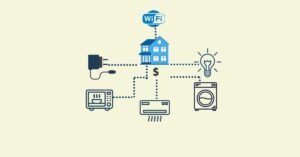
1. Switch Off Fully at the Socket
Replace the habit of pressing the remote power button with switching off at the wall socket or using a power strip with an on-off switch for entertainment systems. This eliminates standby consumption completely for grouped devices with one action.
2. Set Appliances to Their Optimal Temperatures
Refrigerator at 3 to 5 degrees Celsius. Air conditioner at 24 to 26 degrees Celsius for comfortable cooling. Water heater thermostat at 55 to 60 degrees rather than maximum. These settings maintain full function while reducing compressor and heating element cycles.
3. Always Run Full Loads
Washing machines and dishwashers should be run only when full. This simple habit effectively halves the number of cycles run per week for most families, cutting both electricity and water consumption proportionally.
4. Use BEE Star Ratings When Replacing Appliances
A high-efficiency rated appliance can minimize energy intake by 30 to 50 percent compared to lower-rated equivalents. When any appliance reaches the end of its life, replacing it with the highest-rated efficient equivalent that fits the budget pays back the difference in electricity savings over the appliance’s lifetime. Check your country’s national energy efficiency program for official appliance ratings and consumer guidance.
5. Clean Appliance Filters Regularly
Air conditioner filters, refrigerator coils, and washing machine drums that are regularly cleaned work at their designed efficiency. A clogged air conditioner filter can increase electricity consumption by 5 to 15 percent while also reducing cooling effectiveness.
6. Use Natural Ventilation During Cooler Hours
In many parts of India, mornings and evenings are significantly cooler than peak afternoon temperatures. Opening windows during these periods and allowing natural air circulation can delay or reduce air conditioner use on moderate days, which directly reduces the most expensive category of household electricity consumption.
7. Create a Simple Weekly Energy Habit
Designate one weekly moment, such as Sunday evening, to check that all unused chargers are unplugged, appliance settings are where they should be, and any lights in secondary areas that are not needed are off. This takes five minutes and prevents the gradual drift back into wasteful habits that undermines longer-term improvements.
Building this kind of intentional energy habit connects directly to how smart living habits create consistent positive outcomes across different areas of daily life.
Electricity-Wasting Habits vs Smart Alternatives
| Wasting Habit | Smart Alternative | Approximate Saving |
|---|---|---|
| Devices on standby | Switch off at socket | 5-10% of bill |
| AC set at 18-20°C | Set at 24-26°C | 15-20% of AC cost |
| Half-load washing | Full loads only | 30-50% of washing cost |
| Old incandescent bulbs | LED replacements | Up to 75% of lighting cost |
| Dirty AC filters | Monthly cleaning | 5-15% of AC cost |
| Fridge too cold | Correct temperature setting | 5-10% of fridge cost |
| No curtains in afternoon | Blackout or thick curtains | Reduced AC load |
Common Mistakes That Keep Electricity Bills High
Focusing only on lights and fans. These are the most visible consumers but rarely the largest. The real savings are in air conditioner settings, refrigerator temperature, standby power, and appliance loading habits.
Expecting results from one change alone. Electricity reduction is cumulative. Switching to LED lighting saves money. Fixing the AC temperature setting saves more. Eliminating standby power saves more again. Each individual change is modest. Combined and consistent, they produce meaningful bill reduction.
Replacing appliances before optimizing habits. Buying a new five-star air conditioner while continuing to run it at 18 degrees with dirty filters and open windows will not deliver the efficiency its rating promises. Habits must change alongside appliances.
Ignoring the water heater. Electric water heaters, especially storage-type geysers, are among the highest electricity consumers in homes where they are used. Running a geyser for two hours before use, then switching it off rather than leaving it on thermostat mode throughout the day, significantly reduces this consumption.
Making all changes at once and then abandoning them. Sustainable electricity reduction comes from habits that become automatic, not from intensive short-term effort. Changing two or three habits at a time and maintaining them before adding more is more effective than attempting ten changes simultaneously.
Quick Wins You Can Start Right Now
Turn off all standby devices at the socket tonight before bed. Walk through your home and switch off at the wall every device that does not need to run overnight. This one action eliminates standby waste from this evening onwards and costs nothing.
Check your air conditioner or refrigerator temperature setting right now. If your AC thermostat is below 24 degrees or your refrigerator is set colder than necessary, adjust it today. The change takes ten seconds and immediately begins reducing consumption.
Unplug chargers that are not actively charging something. Phone chargers, laptop chargers, and tablet chargers left plugged in with nothing connected continue drawing power. Removing them from sockets when not in use is a zero-effort daily habit that reduces consumption continuously.
Who Benefits Most From Reducing Electricity Waste?
Urban apartment dwellers with air conditioners and multiple appliances running simultaneously have the most to gain. The combination of AC usage, refrigerators, and entertainment systems creates significant standby and inefficiency losses that simple habit changes can meaningfully reduce.
Families managing tight monthly budgets benefit most directly from the financial impact. Even a 15 percent reduction in a monthly bill of 2,000 rupees saves 300 rupees every month, which adds up to 3,600 rupees per year from habit changes that cost nothing.
Renters who cannot make structural modifications to their homes benefit from the habit-based strategies in this article, since all of them work regardless of whether you own or rent the property.
Environmentally conscious households who want to reduce their carbon footprint practically and measurably will find that electricity reduction at home is one of the most direct and impactful individual contributions available.
Frequently Asked Questions About Home Electricity Waste
Why is my electricity bill high even when I think I am using electricity carefully?
Most electricity waste happens through standby power, incorrect appliance settings, and usage habits rather than obvious consumption. Devices left on standby, air conditioners set too cold, and appliances run with small loads are the most common hidden causes of high bills.
Does unplugging devices really make a noticeable difference?
Yes. Standby power across all devices in a home can account for 5 to 10 percent of total electricity consumption. In a household with a moderate monthly electricity bill, eliminating standby waste could save a meaningful amount every month at no cost.
What is the best temperature to set my air conditioner?
24 to 26 degrees Celsius provides comfortable cooling for most people while significantly reducing electricity consumption compared to settings of 18 to 20 degrees. Each degree lower than necessary increases air conditioner electricity consumption by approximately 6 percent.
How often should I clean my air conditioner filter?
Every three to four weeks during periods of heavy use. A clogged filter reduces airflow, forces the system to work harder, and can increase electricity consumption by 5 to 15 percent while also reducing cooling effectiveness.
What do energy efficiency ratings mean and why do they matter?
Most countries have an official appliance efficiency labeling system, typically ranging from least efficient to most efficient. Higher-rated appliances consume less electricity for the same output. A high-efficiency refrigerator uses significantly less electricity than a low-rated model of similar size, with savings accumulating over years of daily use.
Can electricity waste be reduced in a rented home?
Yes. The most effective electricity-saving strategies, including standby elimination, appliance setting optimization, full-load washing, and appropriate AC temperature, require no modifications to the property and work equally well in rented homes.
How long before I see a reduction in my electricity bill?
Most changes take effect within the current billing cycle. Setting the AC to a higher temperature, eliminating standby power, and running full washing loads will show up in the next monthly bill. The reduction is proportional to how consistently the new habits are maintained.
Is buying new energy-efficient appliances necessary to save electricity?
Not necessarily. Significant savings are available through habit changes and settings optimization with existing appliances. New appliances make more sense when existing ones are old, inefficient by design, or at the end of their useful life.
Does running appliances during off-peak hours save electricity?
In areas with time-of-use tariffs, yes. Running washing machines and dishwashers during off-peak hours can reduce the cost per unit. Check with your local electricity provider to understand whether your tariff structure includes off-peak rates.
What is the single biggest source of electricity waste in most homes?
Air conditioning, when set incorrectly or run in poorly sealed spaces, is typically the largest single avoidable electricity expense in urban homes during warmer months. Optimizing AC settings and minimizing heat entry into cooled rooms offers the greatest savings potential for most households.
Does a refrigerator waste electricity if it is too empty or too full?
Both extremes create inefficiency. A very empty refrigerator has less thermal mass to help maintain temperature, causing the compressor to cycle more frequently. An overfilled refrigerator restricts airflow, also reducing efficiency. A moderately stocked refrigerator with good airflow between items runs most efficiently.
Are smart plugs and smart meters worth using to reduce electricity waste?
Smart plugs can be useful for monitoring and controlling standby consumption, particularly for entertainment systems and office equipment. However, simple habits like switching off at the socket achieve the same result without any additional cost or setup.
Conclusion
Electricity waste in homes rarely comes from one obvious mistake. It builds from dozens of small habits, overlooked settings, and devices quietly drawing power around the clock. The good news is that most of these losses are entirely within everyday control and require no financial investment to address.
Start with the quick wins tonight. Switch off standby devices. Check your AC and refrigerator settings. Run the next washing machine load only when it is full. These are not sacrifices. They are simply more intentional versions of things you are already doing.
Practiced consistently over weeks and months, these habits reduce monthly bills, extend appliance lifespans, and make household energy use genuinely more efficient. Small changes, repeated daily, create results that stick.
This article is for informational and educational purposes only. It does not provide financial, technical, or professional advice. Please consult a qualified professional for personalized guidance.