I started SmartLivingBlog because my home felt chaotic: fans left running, lights forgotten, and no movement during long workdays. I wanted to figure out what actually helps and what is just expensive marketing. This guide is what I wish someone had given me at the beginning.
Imagine a normal weekday at home. You wake up late because you forgot to set an alarm, rush through the morning, leave lights or fans on by mistake, spend the day sitting, and then come back tired to a messy, noisy house. By night, you feel drained but still find it hard to sleep well.
Smart living with gadgets is a simple way to reduce this daily pressure. It is not about turning your home into a high-tech showroom. It is about using a few helpful tools and better habits to make your home calmer, healthier, and easier to manage. Smart Living with Gadgets: A Complete Beginner’s Guide for a Healthier Home is about showing you how to use technology as a quiet assistant, not as something that controls you.
This guide is written for beginners, busy professionals, families, and budget-conscious readers. You will learn what smart living really means, how different types of gadgets can support your health and comfort, and how to start small without wasting money or feeling overwhelmed.
What Is Smart Living With Gadgets, and What Does It Do?
Smart living with gadgets means using simple, connected devices to improve your daily life at home in practical ways. It focuses on comfort, health, safety, and saving effort, rather than on complicated technology.
You can think of it as giving your home a small “helper brain”. Lights that turn off on a schedule, plugs that cut power to unused devices, activity trackers that remind you to move, and basic health gadgets that show trends in your sleep or weight, all work together to support your routines.
The main problems smart living tries to solve are
-
Forgetting tasks such as turning off appliances or locking doors
-
Spending too much time on small repetitive actions
-
Staying inactive and indoors for long periods
-
Living in an environment that does not support good sleep and recovery
Instead of asking you to constantly remember everything, smart living with gadgets adds small automatic supports around you.
How Does Smart Living With Gadgets Work In A Home?
Smart living with gadgets works by connecting everyday devices to your phone, Wi-Fi, or a simple hub so they can collect information, follow schedules, or respond to your commands. For beginners, the experience is usually straightforward.
Most devices follow a simple pattern. You plug them in or wear them, install an app, and follow a step-by-step setup. Once connected, they run in the background. A smart bulb follows a routine you set. A smart plug cuts power at night. A fitness tracker records steps and sleep while you go through your normal day.
You do not have to manage the technical side. What you actually experience is
-
Simple on or off controls from your phone
-
Timers and schedules that run every day
-
Small reminders to move, drink water, or wind down
-
Basic graphs that show your activity or sleep patterns over time
Smart living works best when gadgets are used to support a few clear routines, not when every object becomes “smart” without a purpose.
How Can Smart Living With Gadgets Create A Healthier Home?
Smart living with gadgets can support a healthier home by making it easier to move more, sit less, sleep better, and feel safer, without asking you to constantly think about it.
Health organizations such as the World Health Organization explain that regular physical activity, less sitting, and better sleep are key for preventing heart disease, diabetes, and other long term problems. The difficulty is not knowing this; it is remembering to act on it every day.
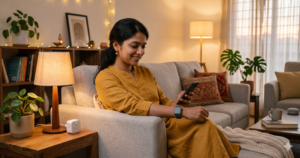
In a smart living setup
-
Activity trackers quietly remind you to stand up, walk a bit, or reach a simple step goal, which can help you move more over time.
-
Sleep-related tools, such as gentle lighting and simple sleep tracking, can support better sleep routines and help you notice habits that are hurting your rest.
-
Smart home devices, like plugs and lights, help you create a calmer evening environment with fewer bright screens and less noise, which makes it easier for your body to relax.
You still need to make choices, such as actually going for that walk or putting the phone away earlier, but the gadgets make those choices easier to remember and follow.
How Does Smart Living With Gadgets Help Different Types Of Homes?
Smart living with gadgets can be adapted to very different lifestyles. It can support small apartments, joint families, single professionals, and older adults living alone, because the tools are flexible.
For busy families, smart lights and plugs help build basic structure. Lights can dim at bedtime, and unnecessary devices can turn off automatically, which saves energy and reduces arguments about who forgot what. Shared calendars or reminders can keep track of school events and appointments.
For seniors, simple health monitors, reminder devices, and basic safety sensors can support independent living. Research on digital health tools in older adults shows that when devices are easy to use and address real needs, they can increase confidence and safety.
For professionals working long hours, a combination of activity tracking, focus friendly routines, and smart home comforts can reduce stress. Small nudges to move, drink water, and wind down earlier can support mental clarity and productivity.
Across all these situations, the goal is the same. Use technology to reduce mental load, not increase it.
What Are The Key Benefits Of Smart Living With Gadgets For Everyday Life?
Smart living with gadgets offers several realistic benefits when it is done thoughtfully. These benefits appear in small, daily ways rather than as dramatic changes.
-
Less mental load
You do not have to remember every switch, time, or reminder. Devices handle repetitive tasks, which frees your mind for more important decisions. -
More movement and better routines
Wearable devices and simple reminders can help you stay closer to physical activity guidelines by nudging you to move regularly. Even small increases in daily activity can support long term health. -
Healthier sleep environment
Soft evening lighting, reduced device use triggered by schedules, and awareness of sleep timing can support better quality rest. Some studies suggest that wearables and environment adjustments can help people notice and improve their sleep habits. -
Improved comfort and safety
Smart sensors, plugs, and basic security tools can lower the risk of accidents and give peace of mind, especially for families and older adults. -
Time and energy savings
Automating simple tasks, such as turning off appliances or adjusting lights, saves time and reduces wasted electricity. Smart home surveys show that convenience and efficiency are among the top reasons people value these devices. -
Better coordination in shared homes
Shared reminders, basic data and routines make it easier for everyone in the home to stay on the same page, which reduces stress and confusion.
You do not need many devices to get these benefits. Often, one or two well chosen gadgets are enough to support a healthier home. If you want a deeper look at specific smart and health devices and how they support your routines, you can read my complete beginner’s guide to smart and health gadgets for a healthier, easier life.
Is Smart Living With Gadgets Right For Your Home?
Smart living with gadgets is not compulsory. It is a choice, and it fits some households better than others. Knowing where you stand helps you decide without pressure.
Smart living with gadgets may suit you if
-
You feel your home routines are stressful or disorganised
-
You want to improve health habits but often forget or lose track
-
You already use a smartphone and are comfortable with basic apps
-
You like the idea of small automations, such as scheduled lights or reminders
-
You are willing to start small and learn as you go
It may not be necessary or helpful if
-
Your daily routine is simple and already feels balanced
-
You prefer to keep your home mostly offline
-
You feel anxious when you see numbers and graphs about your health
-
You strongly dislike learning new digital tools or setting up devices
There is no universal rule. Smart living with gadgets is “right” only if it makes your life calmer, safer, or healthier, not if it adds stress or work.
What Should You Know Before Buying Smart Home And Health Gadgets?
Before you spend money, a few practical checks can protect your budget and reduce frustration.
-
Clarify your main goal
Decide whether your priority is better sleep, more movement, easier home management, or safety. A clear goal prevents random purchases that you rarely use. -
Understand connectivity needs
Many smart devices require stable Wi Fi or Bluetooth connections to work well. If your internet is weak in some areas, certain features may not be reliable. This may vary by brand or model, so it is important to check basic requirements. -
Look for simple setup and clear apps
Studies on digital health and smart technology show that ease of use is one of the strongest predictors of long term use, especially for older adults and busy people. Choose gadgets that show clear instructions and simple screens. -
Review privacy and data practices
Smart health and home devices collect information about your body and environment. Research has found that concerns about data sharing and unclear privacy policies can stop people from using digital health tools. Check what data is stored, how it is used, and which options you can turn off. -
Accept technical limitations
Consumer gadgets can often give good trends and basic insights, but they are not perfect in every reading. For example, wearable trackers can increase awareness and physical activity, but they do not replace medical devices or professional diagnosis.
These points help you avoid buying gadgets that look impressive yet do not fit your actual home and habits.
How Can Beginners Start Smart Living With Gadgets Step By Step?
Beginners get the best results when they resist the urge to buy everything at once and instead build a simple system slowly.
-
Pick one daily problem
Choose something concrete, such as “I forget to switch off devices at night” or “I sit for too many hours without moving”. -
Match one gadget to that problem
Select one basic device that directly addresses that issue, for example a smart plug for night time power control or a simple activity tracker for movement awareness. -
Set up only core features at first
Complete installation and use just one or two main functions in the first week. Ignore advanced options until you feel comfortable. -
Connect it to a routine
Tie the gadget to a specific moment such as after dinner, before bed, or first thing in the morning. Consistent triggers help form habits. -
Adjust notifications early
Turn off alerts that do not support health, safety, or important tasks. Keep only a few key reminders to avoid feeling stressed by constant pings. -
Evaluate after one month
Ask yourself if your home feels a bit calmer, healthier, or easier to manage. If yes, you can maintain or expand. If not, it may be better to adjust your approach or choose a different tool.
This step by step method keeps you in control and lets you experience the benefits without feeling pushed.
What Common Mistakes Do Beginners Make With Smart Living Gadgets?
Many beginners face similar issues when they first try smart living. Knowing these mistakes in advance helps you avoid them.
-
Buying gadgets based on trends, not needs
Attractive marketing or social media can tempt people into buying devices that do not solve any real problem in their home. These gadgets often end up unused. -
Overloading the home with too many devices
Managing many apps, accounts, and chargers can feel like a second job. Reviews of smart home usage show that too many disconnected devices can increase frustration instead of reducing effort. -
Ignoring compatibility
Some devices do not work well with older phones, certain routers, or existing setups. Beginners sometimes discover these issues only after buying. Checking basic compatibility saves time and money. -
Expecting instant change
Smart living supports better habits, but it does not replace them. If you expect a device to fix years of poor sleep or inactivity within days, you will likely feel disappointed. -
Not setting clear boundaries for screen and tech use
If every new gadget leads to more screen time or constant checking of apps, the “smart” setup can damage focus and rest. Keeping usage intentional is important.
Avoiding these mistakes leads to a much smoother and more satisfying smart living journey.
Frequently Asked Questions About Smart Living With Gadgets
1. What does smart living with gadgets actually mean?
Smart living with gadgets means using a small number of simple, connected devices to make your home healthier, safer, and easier to manage, without turning it into a complex tech project. It focuses on real life problems such as sleep, movement, safety, and energy use.
2. Do I need to be very technical to start smart living?
You do not need advanced technical skills. Many smart home and health gadgets are designed for beginners, with guided setup and easy to understand apps. Research shows that when devices are user friendly, even people with limited digital experience can use them successfully.
3. Can smart living with gadgets really improve health?
Smart living with gadgets can support better health by reminding you to move more, helping you build stable sleep routines, and making your home environment calmer and safer. Studies on wearables show that they can increase physical activity and support healthier behaviours when used regularly.
4. Are smart home gadgets only for wealthy households?
No. Smart home devices are now used in many normal homes worldwide, not just luxury houses. Market research reports show that adoption has grown across different income levels, with people valuing convenience and safety as main benefits. You can start with one or two affordable devices.
5. Do smart gadgets replace doctor visits or professional advice?
Smart gadgets do not replace doctors, therapists, or other professionals. They can help you track patterns and bring more useful information to your appointments, but they are not medical devices unless clearly certified.
6. Is internet always required for smart living?
Many gadgets need internet or Bluetooth for syncing and remote control, but some can still perform basic functions offline. Details vary across devices, so it is important to read the requirements. This may vary by brand or model.
7. Are smart gadgets safe for children and older adults?
They can be safe when chosen carefully. For older adults, simple interfaces and clear benefits such as safety or reminders are important. Research on digital health adoption in older adults highlights usability and trust as key factors. For children, it is important to balance helpful features with limits on screen time and tracking.
8. What about privacy when using smart living gadgets?
Privacy is an important consideration. Studies show that concerns about data use and security are common reasons people hesitate to adopt digital health tools. Reviewing privacy settings, limiting unnecessary data sharing, and choosing devices from providers with clear policies can reduce these concerns.
9. How many gadgets do I need to create a smart home?
You do not need many gadgets. A healthier home can start with one or two devices that target your main issues, such as a basic activity tracker and a few smart plugs or lights. You can add more only if you see real benefit.
10. Will smart living with gadgets increase my screen time?
Smart living can increase screen time if you constantly check apps. However, if you use automation and scheduled routines, you may actually spend less time adjusting things manually. The impact depends on how you choose to interact with the devices.
11. Are there risks in relying too much on gadgets?
Relying too much on gadgets can reduce your own planning skills and make you uncomfortable when devices fail. That is why it is important to use them as assistants, not as the only way to function. Keeping some routines independent of technology is healthy.
12. How can I tell if smart living with gadgets is working for me?
You will know it is working when your home feels calmer, your routines feel smoother, and you notice small positive changes such as better sleep or more steps in a day. If you feel more stressed, confused, or distracted, you may need to simplify your setup or step back.
If you want to go deeper, read how smart health gadgets for sleep can improve your nights, whether smart health gadgets are really accurate, and why smart gadgets sometimes fail to improve life even when used regularly.
Conclusion
Smart living with gadgets is not about filling your home with screens and complex systems. It is about adding a few thoughtful tools that quietly support better habits, more comfort, and a healthier environment. Research suggests that when used simply and consistently, smart and health gadgets can help people move more, sleep better, and manage their homes with less effort.
You do not have to change everything at once. Start with one daily problem, choose one beginner friendly gadget that answers it, and build a small routine around it. As you see what genuinely helps, you can decide whether to stay minimal or slowly add more. With this calm, step by step approach, smart living with gadgets becomes a practical partner in building a healthier home, not a noisy complication in your life.